European Football, A Gateway for International Brands
Published on
In this Insight:
Behind every major brand that succeeds in entering a new market, there is a pivotal moment. The point at which product quality alone is no longer enough, and legitimacy becomes the real differentiator. In Europe, for brands coming from elsewhere, that moment arrives quickly. And more than any other lever, football has established itself as the most effective pathway to overcome it.
For the vast majority of international brands investing in sports sponsorship, the primary objective is straightforward: to exist in the minds of European consumers. And in that respect, no platform rivals football, the most-watched sport on the continent, with 240 million viewers during the 2024–25 season (source: UEFA.com)
Whether they come from Asia, the Middle East or the Americas, non-European brands share a common starting point when seeking to establish themselves in Europe: a structural credibility gap. In a market dominated by players deeply embedded in consumer habits, standing out now requires access to a trusted ecosystem and a presence in the collective imagination.
This is precisely what football sponsorship delivers. Both a universal sport and Europe’s undisputed number one, football operates as a powerful mechanism for transferring legitimacy. A brand that aligns itself with a prestigious competition, a historic club or a unifying athlete instantly benefits from a level of goodwill that no traditional advertising campaign can build as quickly. The mechanisms at play are numerous and increasingly sophisticated.
Football Sponsorship: The Answer to the Trust Deficit
The first obstacle a foreign brand faces in Europe is not competition itself, but the psychological distance that separates it from local consumers. Take the example of Chinese brands - establishing a lasting presence in the European market represents a real challenge, often driven by a significant trust deficit among consumers. European football, with its institutional structure and high level of professionalism, offers a framework capable of reducing that distance.
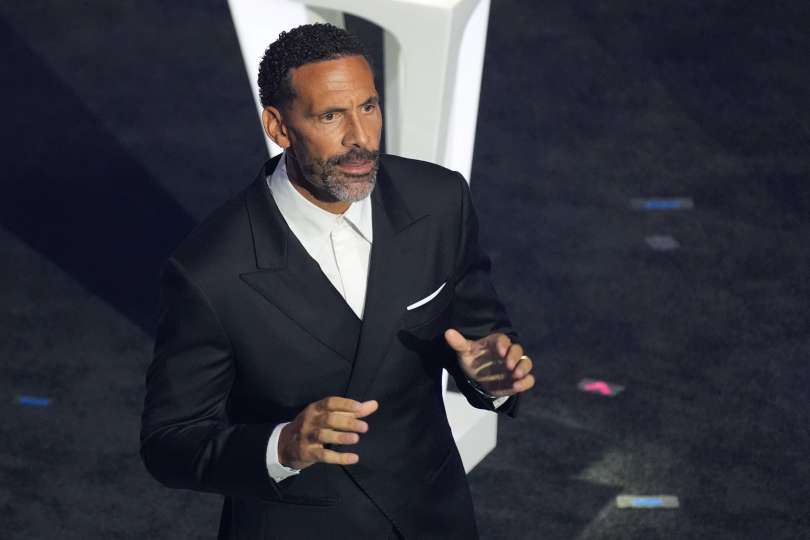
At its first B2B event in Europe, “CoCreate Europe,” Alibaba.com brought Rio Ferdinand onto the jury of its “CoCreate Pitch” competition. By associating with the Manchester United legend, the e-commerce platform leverages the player’s reputation and credibility to transpose values aligned with its own brand universe. This partnership allows Alibaba.com to build stronger proximity with the European entrepreneurs it aims to engage.
The mechanics of legitimacy transfer can also operate through the product offering itself. Aiper, a brand specializing in pool-cleaning robots, selected Lucas Hernandez, Paris Saint-Germain and French National Team player, as its ambassador, creating a direct parallel between the athlete’s performance and the performance of its products. The campaign’s promise, “Guarded by Greatness,” illustrates how a sports collaboration can shape a brand narrative in a market where the brand remains largely unknown.
Supporting Football’s Transformation: A Winning Strategy
To establish a lasting presence in Europe, brands are now moving beyond the traditional role of sponsor. They are actively engaging in the transformation of the sporting landscape itself. This approach not only allows them to demonstrate genuine added value, but also to directly strengthen their brand authority.
The partnership between Adobe and the Women’s FA Cup is a clear illustration of this strategy. At a time when women’s football is experiencing record growth in both audiences and revenues, Adobe structured its commitment around a tangible value proposition: providing all 460 participating clubs with access to Adobe Express tools to enhance their communications, supported by dedicated training programs. The competition’s naming, now the “Adobe Women’s FA Cup”, is merely the visible part of a much deeper strategy, that of a brand positioning itself as a true partner in the development of European women’s football. In doing so, Adobe builds meaningful engagement with a new generation of fans and establishes a relationship that goes far beyond a standard commercial agreement.

Storytelling : Winning the Hearts of Fans
European football clubs are institutions whose history has been shaped over decades, fueled by collective emotions, victories, and unwavering loyalty passed down through generations. For international brands seeking visibility, associating with this heritage means gaining access to a powerful and credible narrative.
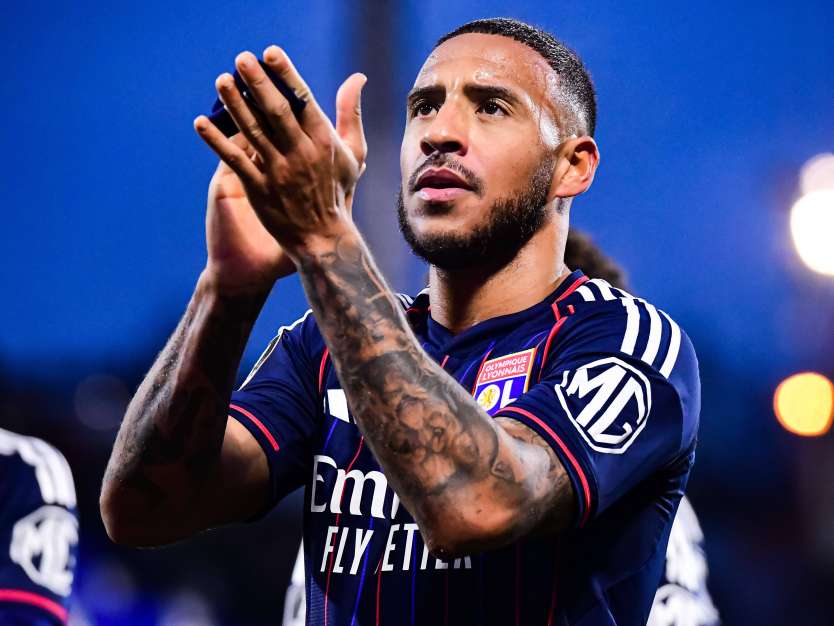
MG Motor has successfully achieved this with Olympique Lyonnais. Shirt sponsor of the club since 2021 and later its exclusive automotive partner, the brand built its presence around a narrative parallel between its own revival and the history of OL, a club whose identity is deeply rooted in performance and the pursuit of excellence. Between 2021 and 2024, the manufacturer reached 34,441 units sold in 2023, representing a 1.88% market share in less than three years. A remarkable breakthrough for a brand that was virtually absent from the market just a few years earlier.
From the Middle East, Emirates has been deploying a long-term strategy of broad visibility across European football. In France, the airline was an iconic partner of Paris Saint-Germain between 2006 and 2019 and has appeared on the front of Olympique Lyonnais jerseys since 2020. These collaborations with numerous European clubs serve a clear objective: embedding the brand into fans’ everyday lives by turning every match into an opportunity for contact. Football thus becomes the common thread of a soft power strategy supporting a national brand seeking to establish itself in the European imagination.
Supporter Communities, Ideal Testing Grounds
A fourth lever, perhaps less intuitive yet one of the most powerful, lies in supporter communities. They provide privileged access to highly engaged audiences, while benefiting from the credibility conferred by rights holders.
This is notably the case with the partnership between Borussia Dortmund and Pluto TV. By launching “Borussia Dortmund TV,” the platform introduced the American FAST channel model (Free Ad-Supported Streaming TV) to European supporters. Designed specifically for the club’s community, the service allows fans to access dedicated content free of charge, while discovering a distribution format that remains relatively underdeveloped in Europe. This partnership illustrates how a club’s ecosystem offers an ideal environment to test the adoption of a new format, leveraging both the credibility and the emotional attachment fans have to their club.
A similar logic applies to Robinhood. By becoming the main partner of OGC Nice from the 2025–26 season, the company marks its first foray into European football, coinciding with the launch of its products on the European market. While France, identified as a rapidly growing global fintech hub, represents a natural entry point, football plays the role of cultural facilitator. By embedding itself within the universe of a popular club, Robinhood lowers the familiarity barrier to a financial offering that many European consumers still perceive as complex or reserved for insiders.

Today, European football is one of the rare spaces where a brand can simultaneously build awareness, credibility, and emotional proximity, provided it enters with a strategy, not just a budget.
The most compelling examples all share one common trait: the brand did not simply purchase visibility, it chose a narrative, a territory, a community. And it is this choice, more than the size of the deal, that determines the depth of its long-term anchoring.
For international brands looking toward Europe, the question is no longer “should we invest in football?” but rather “which football, with which story, and for what kind of transformation?”
