
What French Brands Who Succeed Internationally Do Differently
Published on
In this Insight:
Danone at AFCON, Terry’s in U.S. college basketball, Carrefour launching La Vuelta from its stores… these brands are not just sponsoring events - they are creating instant cultural relevance in strategic markets.
In an environment saturated with advertising messages, international sports sponsorship stands out as one of the most powerful levers to turn visibility into long-term engagement. For brands entering a new market from scratch, it offers a unique advantage: the ability to build strong brand awareness almost instantly, while establishing lasting cultural roots. However, not all strategies are equal. French brands that succeed internationally share common approaches, built on smart activation, local relevance, and global consistency.
Sport: A Universal Language and a Cultural Accelerator
Sport transcends borders. Football, tennis, basketball, cycling, and motorsports unite millions of fans around shared emotions. For a French brand, embedding itself in this ecosystem allows it to enter the local cultural landscape naturally, leveraging codes and narratives already embraced by communities.

Take the example of Danone at the Africa Cup of Nations (AFCON). By partnering with both the women’s and men’s editions of the tournament, the brand activates its products directly in stadiums and fan zones, engaging volunteers, journalists, and supporters, and reaching a massive pan-African audience. At the same time, Danone extends its commitment beyond the pitch through the CAF Pan-African School Program, developing educational toolkits to raise awareness among young people about nutrition and physical activity.
This approach reflects a broader trend: brands that succeed internationally combine event-driven visibility with long-term engagement, strengthening their legitimacy far beyond simple brand exposure.
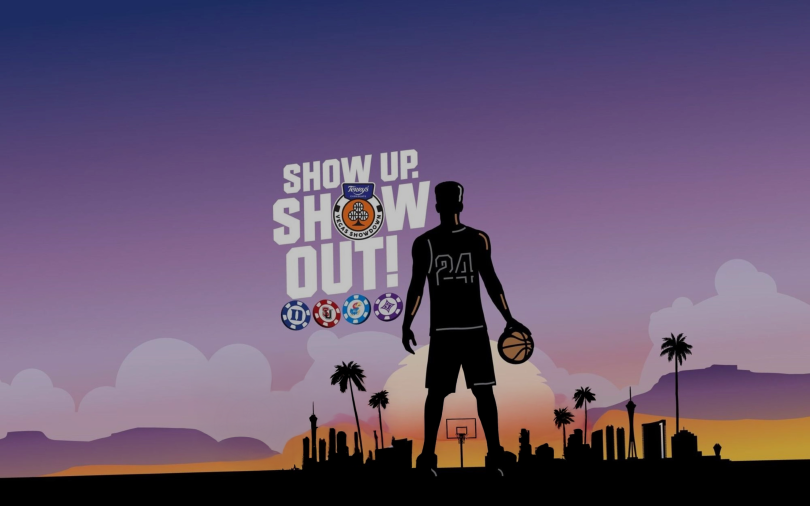
In a similar strategy, Terry’s Chocolate (Carambar & Co) chose U.S. college basketball as its entry point into the American market. By becoming a title partner of NCAA events, the brand positioned itself at the heart of a major family ritual, integrating its product directly into the consumption moment and quickly building familiarity, emotional connection, and brand preference.
The takeaway is clear: combining event-driven activation with societal engagement enables an international brand to rapidly establish local legitimacy, particularly in markets with strong cultural sensitivity.
Major International Events: Large-Scale Visibility and Brand Legitimacy
The Olympic Games, World Cups, Grand Slam tournaments, and major cycling and motorsport competitions capture unparalleled global attention. For a brand entering a new market from scratch, sports sponsorship becomes a powerful accelerator: it enables the rapid development of strong brand awareness - almost instantly - while building long-term credibility.
The BEL Group’s partnership with the Chicago Bulls is a perfect example. By aligning with an iconic NBA franchise, the brand goes beyond massive exposure in the U.S. market: it leverages the partnership to legitimize and anchor its new protein product range. Through storytelling focused on training and physical preparation, BEL gains strategic visibility on the Bulls’ training and warm-up jerseys, directly associating its products with elite athletes’ routines and performance.
This connection allows BEL to transform simple brand presence into product legitimacy, in a sports environment where emotional attachment to teams and their rituals plays a central role in shaping consumer preference.
For its part, Essilor demonstrates how a strategic partnership can generate strong international visibility, even from a French domestic platform. As a major partner of Ligue 1 McDonald’s through the French Professional Football League (LFP), the brand successfully transformed this partnership into a true engagement platform. On World Sight Day, Essilor and SPORTFIVE launched a creative activation by turning a league match into a giant vision test, featuring redesigned jersey lettering inspired by eye exams.
The results speak for themselves: 3.3 million influencer impressions, 83% brand affinity post-activation, and 12 media placements reaching a cumulative audience of 7.6 million. Sports sponsorship thus becomes a powerful amplification lever, enabling brands to expand their reach across multiple markets simultaneously.
Understanding and Adapting to International Fan Culture
While sport is universal, its history, traditions, and fan behaviors vary across markets. French brands that succeed internationally are those that tailor their activations to the everyday habits and cultural codes of local audiences.
Carrefour provides a powerful example through its partnership with La Vuelta. In 2024, the brand hosted the start of Stage 6 inside one of its supermarkets, transforming an everyday retail space into an immersive brand experience. This approach creates tangible interaction with local communities and turns theoretical visibility into real, memorable engagement.
A successful activation is not just about being seen, it must be experienced and embedded in the daily lives of local audiences.
Key Takeaways
International sports sponsorship has become a powerful lever for growth, differentiation, and lasting legitimacy for French brands. However, only strategies designed with a global perspective and executed with precision can create strong connections with local audiences while maintaining a coherent brand vision worldwide.
At SPORTFIVE, we support brands at every stage - from identifying the most relevant areas of brand expression to on-the-ground activation - transforming sports partnerships into true platforms for performance, engagement, and brand preference on an international scale.
Partnership marketing is an important part of the sports industry. It involves collaboration between a sports team, league, or event and a brand or company. This collaboration can take many forms, such as sponsorship, product placement, or joint promotions. The goal of partnership marketing is to benefit both parties by increasing exposure, revenue, and brand recognition.
By partnering with a sports team or league, a brand can reach a large audience of fans who are passionate about their sport. This can lead to increased brand recognition and customer loyalty, as well as increased sales of particular products. Additionally, by offering special promotions or experiences, teams and brands can create a more memorable and enjoyable experience for fans.
When selecting the right type of partnership, teams and brands should consider factors such as brand values, fan demographics, and the overall image of the sport, to ensure it remains authentic whilst still connecting with the target audience.
Choosing the right sponsorship for your goals involves strategic consideration of your brand objectives and target audience. Follow these steps:
Define Objectives: Clearly outline your marketing and business objectives for the sponsorship, whether it's brand visibility, customer engagement, or community outreach.
Know Your Audience: Understand your target audience and align sponsorship opportunities with their demographics, interests, and behaviours.
Relevance: Choose sponsorships that align with your brand values and resonate with your audience, creating authentic connections.
Evaluate Opportunities: Assess potential sponsorships based on factors like reach, engagement potential, and the alignment of the sponsored entity with your brand image.
Budget Considerations: Evaluate the financial aspects, ensuring the sponsorship aligns with your budget while delivering significant value.
Negotiate Terms: Work with the sponsored entity to negotiate terms that meet your goals, ensuring a mutually beneficial partnership.
By aligning sponsorships with your brand objectives, audience demographics, and values, you can choose opportunities that effectively contribute to the success of your marketing and business goals.
SPORTFIVE is a global sports marketing agency that operates in the sports and entertainment industry. The agency specialises in various aspects of sports marketing, including the sale of sports media rights, sponsorship and partnership management, and the creation of marketing strategies for sports organisations, teams, and events. They work with a wide range of clients, including sports leagues, clubs, and brands, helping them maximise their commercial potential in the sports market.
SPORTFIVE is known for its expertise in negotiating and managing broadcasting rights, which involves securing deals for the distribution of sports content through various media channels. Additionally, they are involved in the management of sponsorship agreements, helping sports entities form partnerships with brands for mutual benefit.
